
Blog
Highlights from our fireside chat with DaVita: what they have learned about benefits in M&A, and how they are getting ahead of it.
For benefits leaders, every acquisition comes with an inheritance: somebody else's benefits. They have to be understood, costed and somehow brought into line, usually against the clock. Anyone who has been through it will know the feeling: a deluge of data, information and documents, often inconsistent, often in different languages, and usually followed by late nights spent piecing together what the acquired company actually offers.
Benefits rarely get the same early scrutiny as the wider financials. All too often they become a piece of the puzzle to reconcile once decisions have been made, rather than part of the process itself. Yet their importance cannot be overstated. For employees moving across in a transaction, how changes and continuations are communicated shapes how they feel about their new employer from the very first day. And any commitments not flagged early can keep costing the business long after the ink has dried. Spotted early, they can be priced, negotiated or planned for.
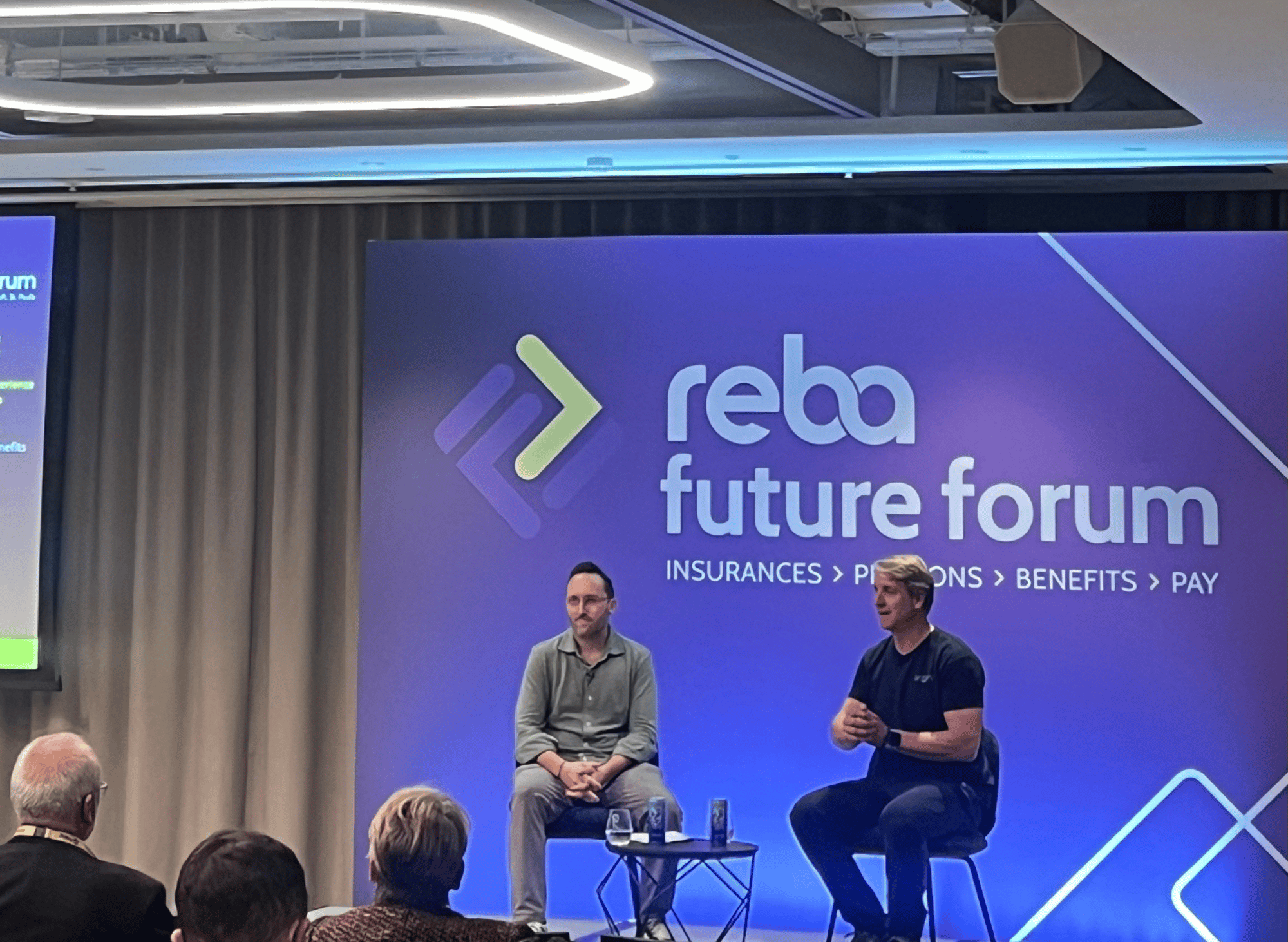
Chris Bruce, co-founder and CEO of Origin, and Andrew Preusch of DaVita International at REBA Future Forum in London.
At REBA Future Forum in London, Origin's co-founder and CEO Chris Bruce sat down with a client who knows M&A from the benefits side better than most: Andrew Preusch, who oversees reward, M&A and people operations at DaVita International. Here's what they discussed, including how Origin is helping benefits teams cut through the information deluge and manage these processes with confidence.
Growth by acquisition: an introduction to DaVita
DaVita is the world's largest provider of dialysis services, for patients who typically dialyze three times a week, for four to five hours a session. Its international business spans 14 markets across South America, Europe, the Middle East and Asia: around 25,000 teammates, mostly nurses and healthcare assistants, caring for nearly 100,000 patients in more than 500 clinics.
Much of that footprint has been built piece by piece through acquisition, deepening DaVita's presence in existing markets and opening new ones. Every deal brings a fresh set of benefits to understand, often in a new language and under a new set of rules.
Why people due diligence often gets left behind in M&A deals
Anyone who has sat on either side of a deal will recognize the pattern Chris and Andrew described. Sellers naturally lead with the data they expect buyers to value most, and buyers' senior decision-makers, quite reasonably, look first at the financials. Benefits can slip down the list, a little like the appendix of a long report, and the plan becomes “we'll figure it out once we're there.” It is nobody's fault, but it can leave risk on the table. Chris added that some deals are kept within a small group for confidentiality, so local teams cannot always be asked.
The effects tend to show up later: costs that were not factored in, compliance questions that surface after signing, and employees who deserve a clear explanation of what is changing and why. Andrew was refreshingly realistic. There is no perfect science, he said, and a few surprises will always get through. The aim is to catch the biggest ones before close.
From reactive to proactive
So DaVita has moved the work upstream. People due diligence now starts in the pre-acquisition stage, and for each target the team builds a benefits deal room on the Origin platform, where AI reads the seller's benefits so nobody starts from a blank page. The shift is easiest to see side by side.
What that has meant for Andrew's team:
And it is happening at pace. Two large transactions are under way in Chile, running alongside the annual benefits review across all 14 markets.
Why general AI falls short
It's one of the questions we hear most: why not just use a general AI tool? Andrew's answer was practical. General tools are very good at a one-off task, such as comparing one document with another. But benefits are never a one-off. Think of it as the difference between a printed map and a live map on your phone. The printed map is static: the street you need is on there somewhere if you're willing to dig, but it starts going out of date the day it's printed. The live map stays current, shows you what matters and lets you take the next step, whether that's finding the fastest route or booking that dinner. Benefits need the second kind, and that only works if the data underneath is structured and validated first.
Structure is what tells the AI where to look. A general tool searches far and wide and has to work out what matters. Origin searches data that has already been organized, and learns only from what DaVita has loaded, which keeps the risk of hallucination low.
Making the business case
Talk then turned to the question every benefits leader eventually faces from finance: what will this cost, and what will it return? For Andrew, the answer was savings. A detailed cost-benefit analysis at onboarding showed where Origin and its partners saw opportunities, and DaVita's first renewal with Origin has delivered meaningful savings on premiums, beyond what the team had imagined.
Chris put that in context. Benefits are often the second biggest people cost, yet they still run on spreadsheets, and leaders rarely see the full spend. It is a little like running a household budget from a shoebox of receipts. At DaVita, decisions still sit centrally, but they now start from plan documents, coverage levels and premiums, rather than from Excel files and PowerPoint summaries.
No acquisition will ever be free of surprises. But when the benefits picture is clear before close, a surprise becomes something to discuss at the negotiating table, rather than something to fix after day one. Your team spends its time thinking rather than reading, which is where it adds the most value.